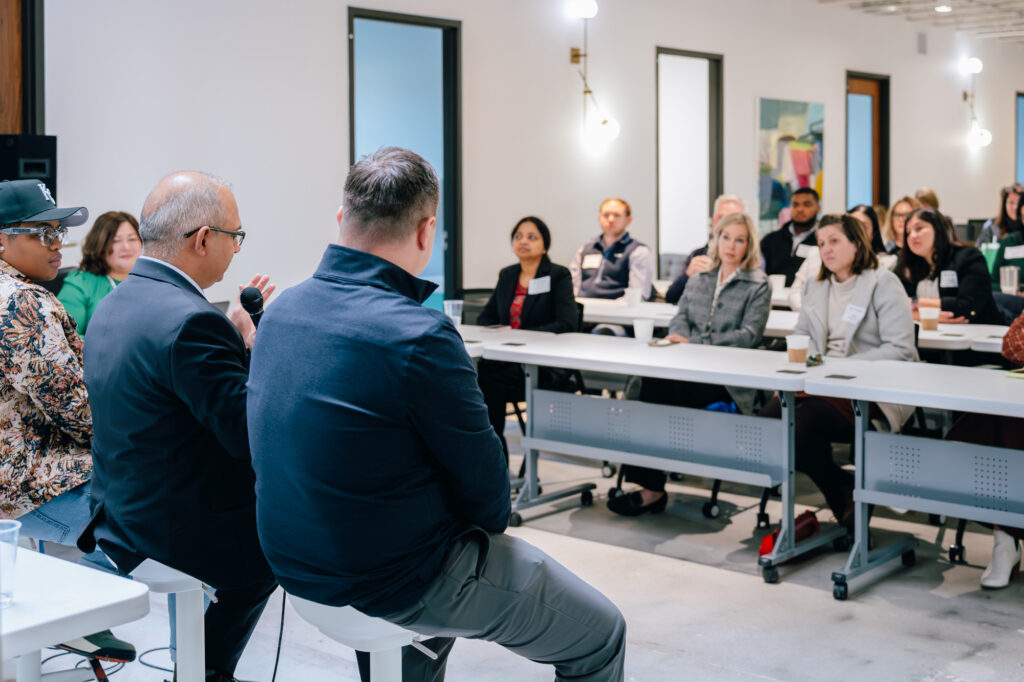
No booking fee makes it easier to gather decision-makers without budget debates.
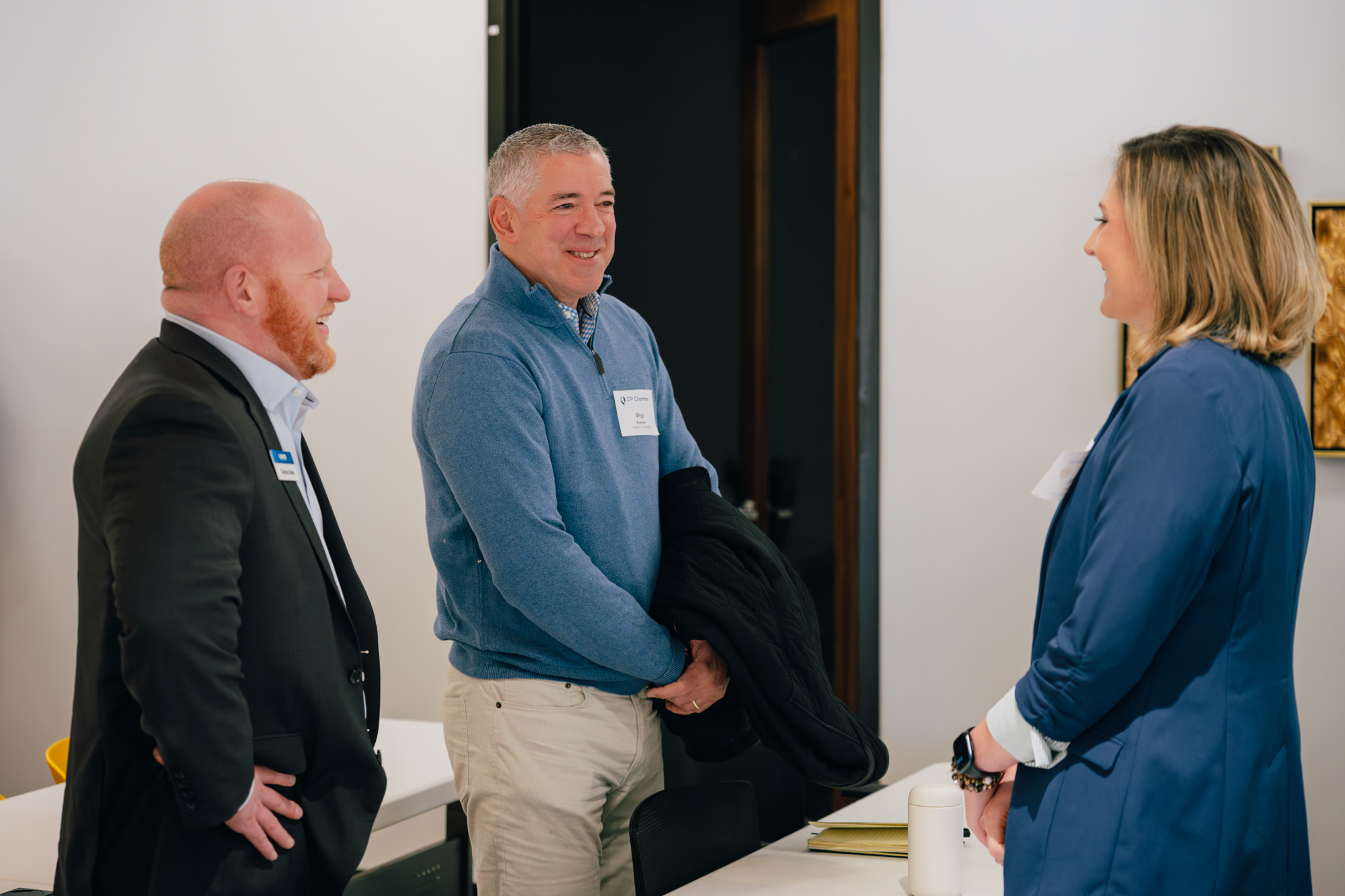
From Booking to Start Time
Here’s what happens between reserving the room and starting your session.
Reserve the Date & Room Type
Share your headcount and the goal of your event. We’ll confirm the best room fit.
Align on the Agenda
We review your run-of-show so the room layout supports your flow.
Rooms Prepared in Advance
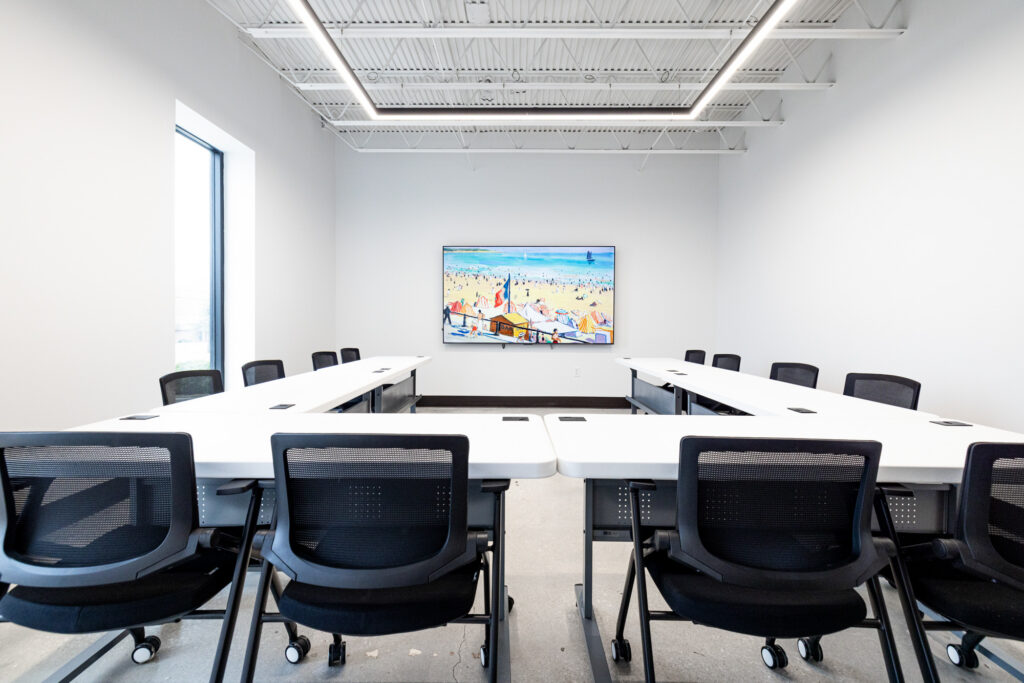
We handle AV, seating, and screen setup before you arrive.
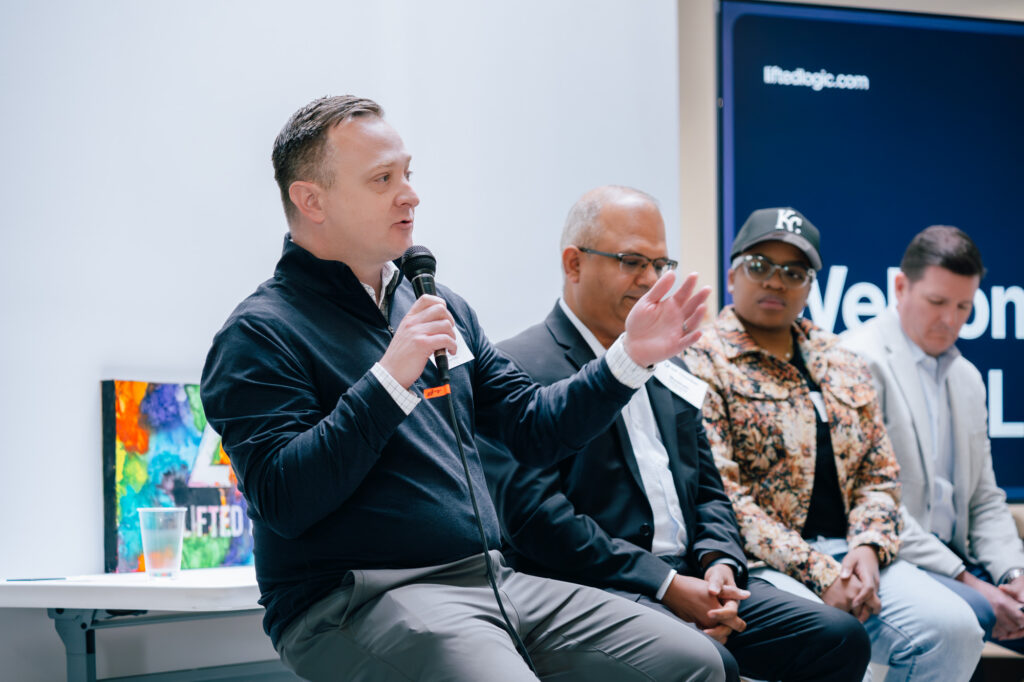
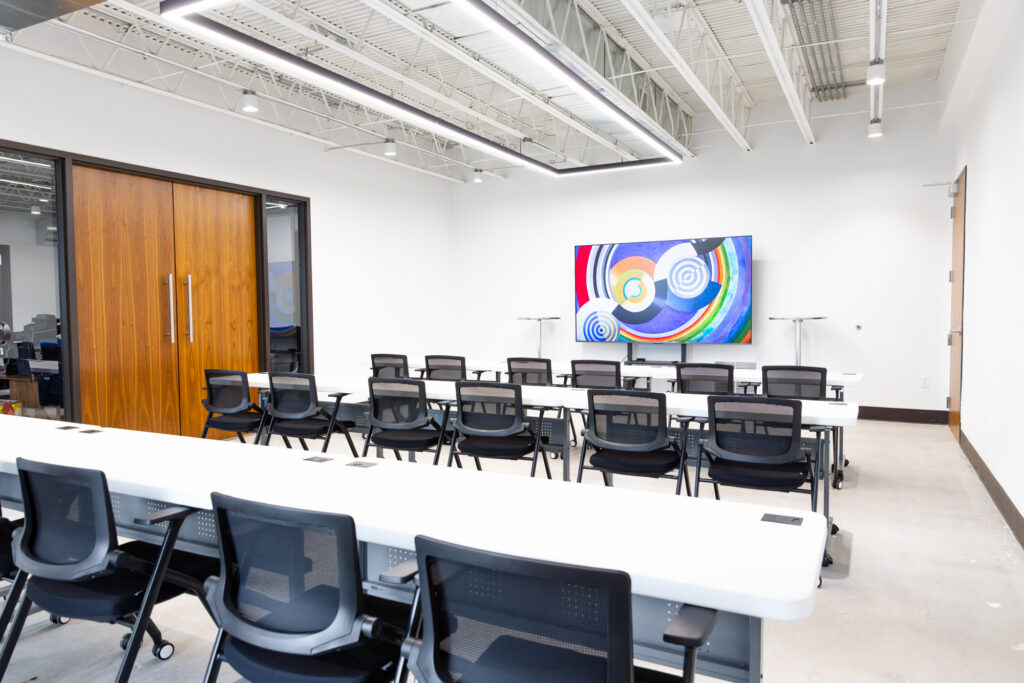
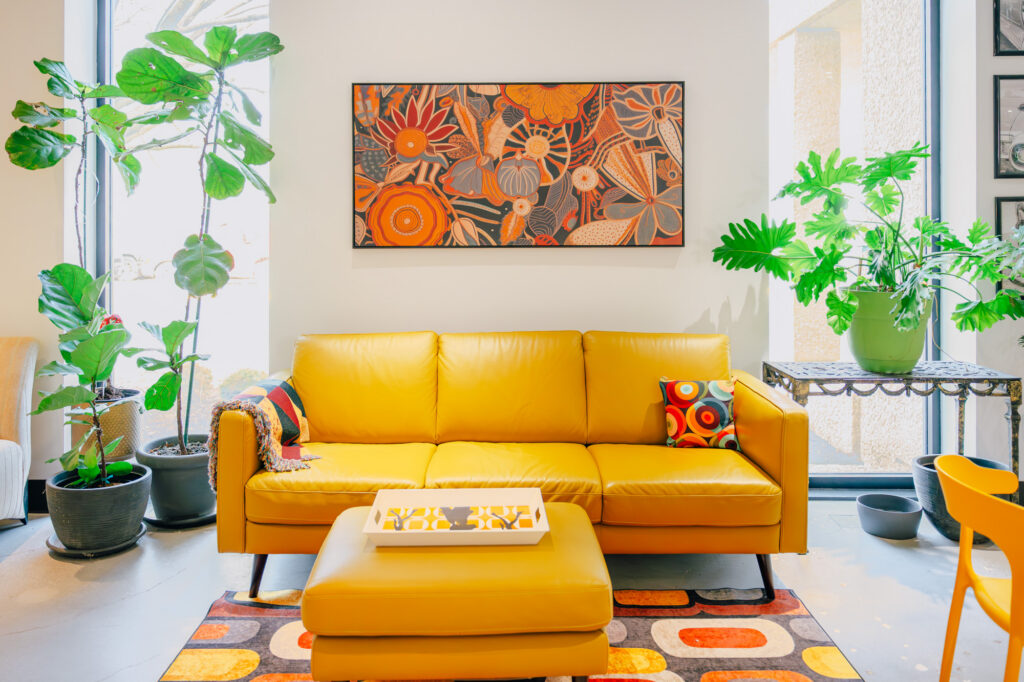
The setting signals focus the moment people walk through the door.
Displays, audio, and adapters are built in, so your presentation flow stays intact.
Fast, reliable Wi-Fi supports live demos, hybrid attendees, and real-time collaboration.
What We Do
Our Areas of Expertise
Integrated systems and strategies that support growth across everyday decisions.
Business Operations
Sales & Lead Nurture
Business Financials
Hiring & Culture
Marketing
Advertising
Lead Generation
Events & Engagement
Social Media
POS Systems
Web Apps
Inventory Management
Meeting Formats We Host
Pick the format that matches your goal, then we’ll match you to the right room.
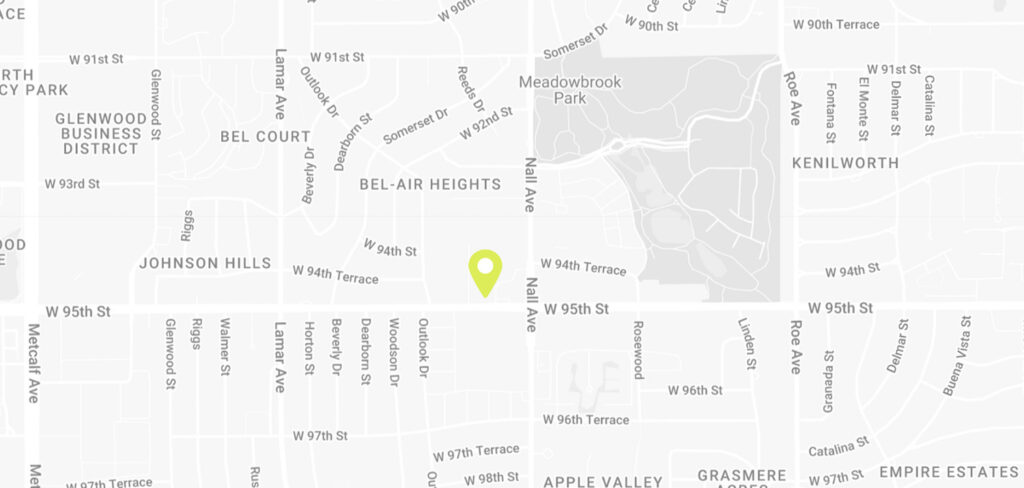
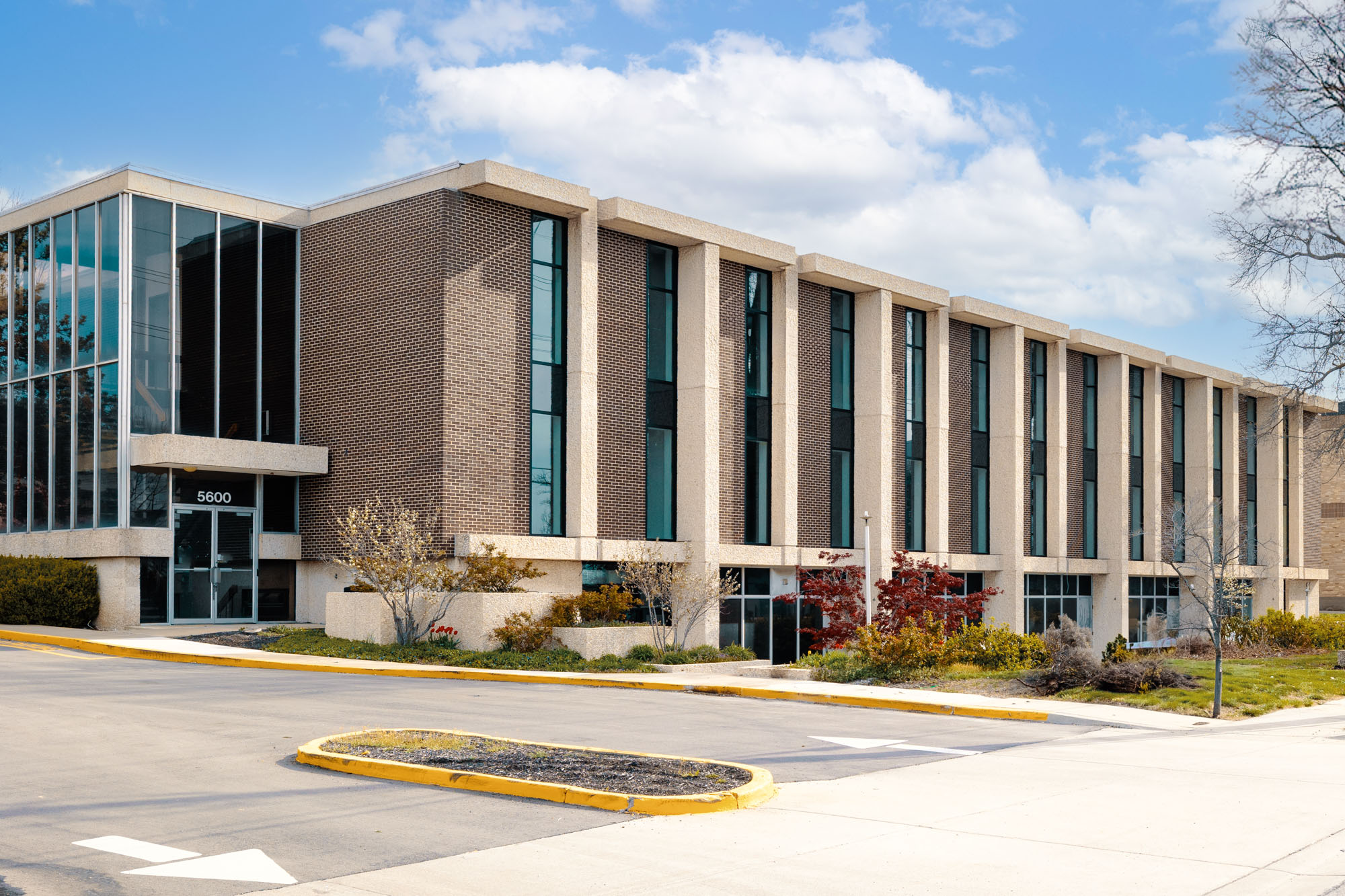
Our Location
Your next step
Let’s Make It Happen
Set the date when you’re ready, and we’ll prepare the room to match your meeting. Or explore community events to see the space in use before committing.
Frequently Asked Questions
We can, but the win comes from format, not hardware. We plan moments where remote attendees speak first, and we assign someone in-room to watch the chat, so questions don’t vanish. When the agenda depends on a live demo or rapid presenter handoffs, our AV services can support the setup while a business consultant in Kansas City keeps the working session moving.
Yes, just treat the room like a working environment, not a stage. Tension shows up when people feel exposed or rushed, so a smaller attendee list usually improves honesty. We can also route you into a more private setup when the topic involves performance, restructures, or hard tradeoffs that shouldn’t play out in a wide-open environment. If you want a steady hand for that kind of conversation, pairing the session with our event facilitation services keeps the focus on the decision. Our business consultant in Kansas City can then help translate discussion into next-step ownership.
When an audience locks up, it usually isn’t because of direct conflict. It’s confusion—2 people reacting to different assumptions, then talking past each other. We slow the event long enough to name the real decision and who owns it, then we steer the discussion back to the tradeoff the team has to make. If you want a facilitator who can keep it humorous while still pushing for clarity, learn more about Adam Fichman. Adam is Lifted Logic’s CEO, known for direct, usable guidance backed by 20+ years of experience.
Bring the people who can decide and the people who will do the work afterward. If the final call sits with one leader, that leader should be in the room for the full conversation, because secondhand summaries can strip out the tradeoffs. Keep the invite list small enough that people will actually speak. That’s how a business consultant in Kansas City can help you reach a decision instead of hosting a status meeting.
Bring what you already have. A messy draft plan beats a polished blank page because it shows what your team currently believes. If you can, include the constraint that keeps causing concerns—capacity, timeline pressure, or a dependency you can’t change. When everyone has the same starting information, the meeting moves faster and lands harder.
The right length depends on how much you’re asking the room to decide. If you need one clean call—pick a direction, set a priority, name ownership—you can get real traction in a shorter block. When the topic spans departments, people need time to surface assumptions before they can agree on a plan, and rushing that part creates rework later. Aim for enough time that the team can state the decision, pressure-test it, then commit—without needing to say “we’ll revisit.”